When you think about your wedding celebrant, you might picture someone standing at the front, welcoming your guests and conducting your ceremony. And, of course, that’s a very important part of the role.
But there’s a great deal that happens before I stand up to speak. In fact, much of my work takes place behind the scenes, long before your wedding day arrives.
From our first conversation to the moment you walk back down the aisle, there is a lot of thought, planning and organisation involved. It’s all part of making sure your ceremony feels personal, runs smoothly and gives you the freedom to enjoy every moment.
So, what actually goes into making it happen?
Getting to know you and your story
It all starts with getting to know you.
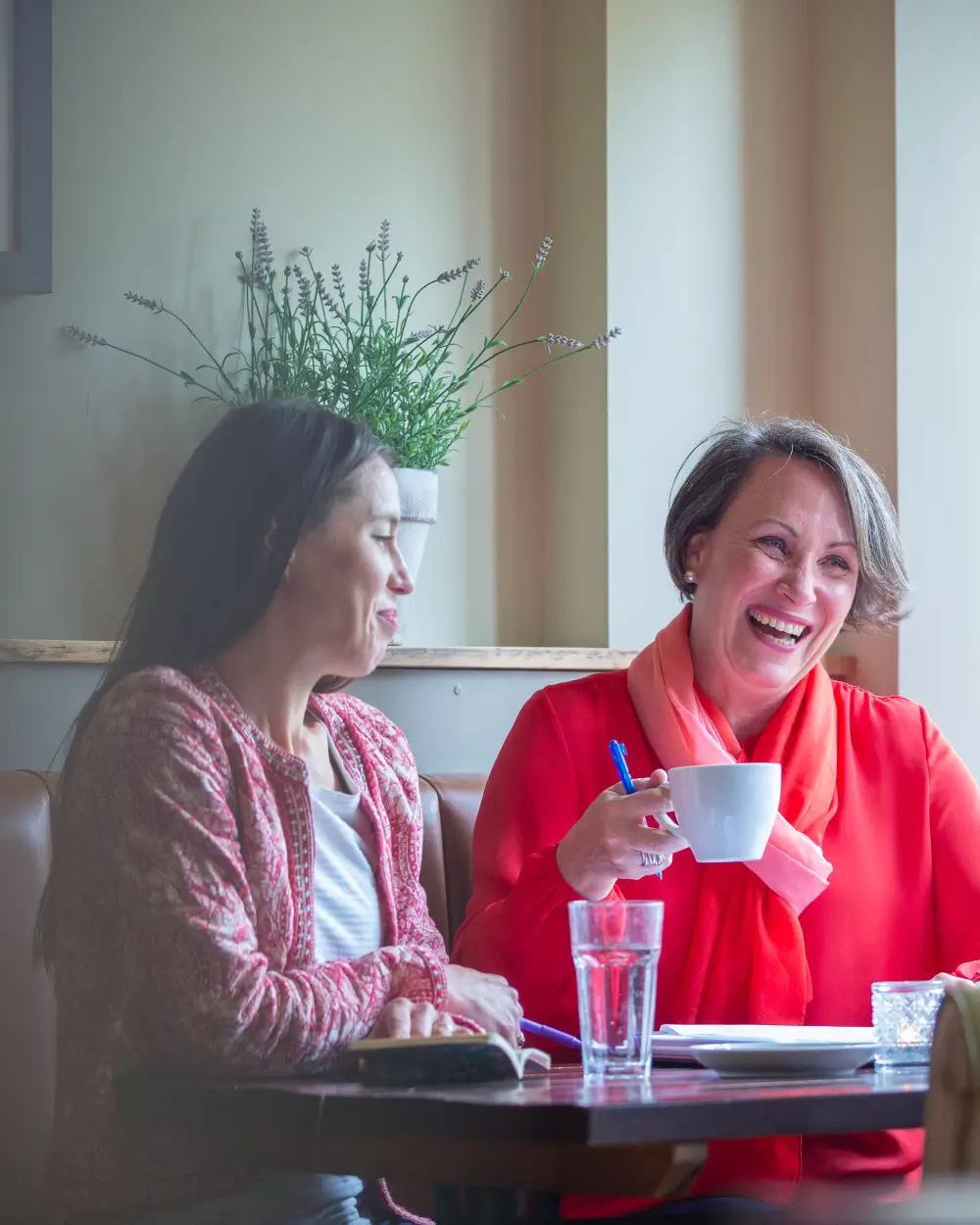
I want to hear how you met, what makes you laugh, what you love doing together and the people who matter most in your lives. I’ll ask questions, listen carefully and help you think about the things you’d like your ceremony to include.
This is about much more than gathering information to write a few paragraphs. It’s about understanding what matters to you, so that your ceremony feels natural, personal and genuinely yours.
Planning and creating your ceremony
Once I have a feel for your story and what you’d like, I’ll start bringing all the different elements together.
We’ll talk about the structure of your ceremony, the music, readings, vows and any special touches or symbolic rituals you’d like to include. I can offer suggestions and guidance along the way, helping you make decisions without feeling overwhelmed by too many choices.
Then comes the writing. I’ll carefully craft your ceremony, bringing together your stories, personalities and the moments you want to share. We’ll work through it together, making sure it feels right for you.
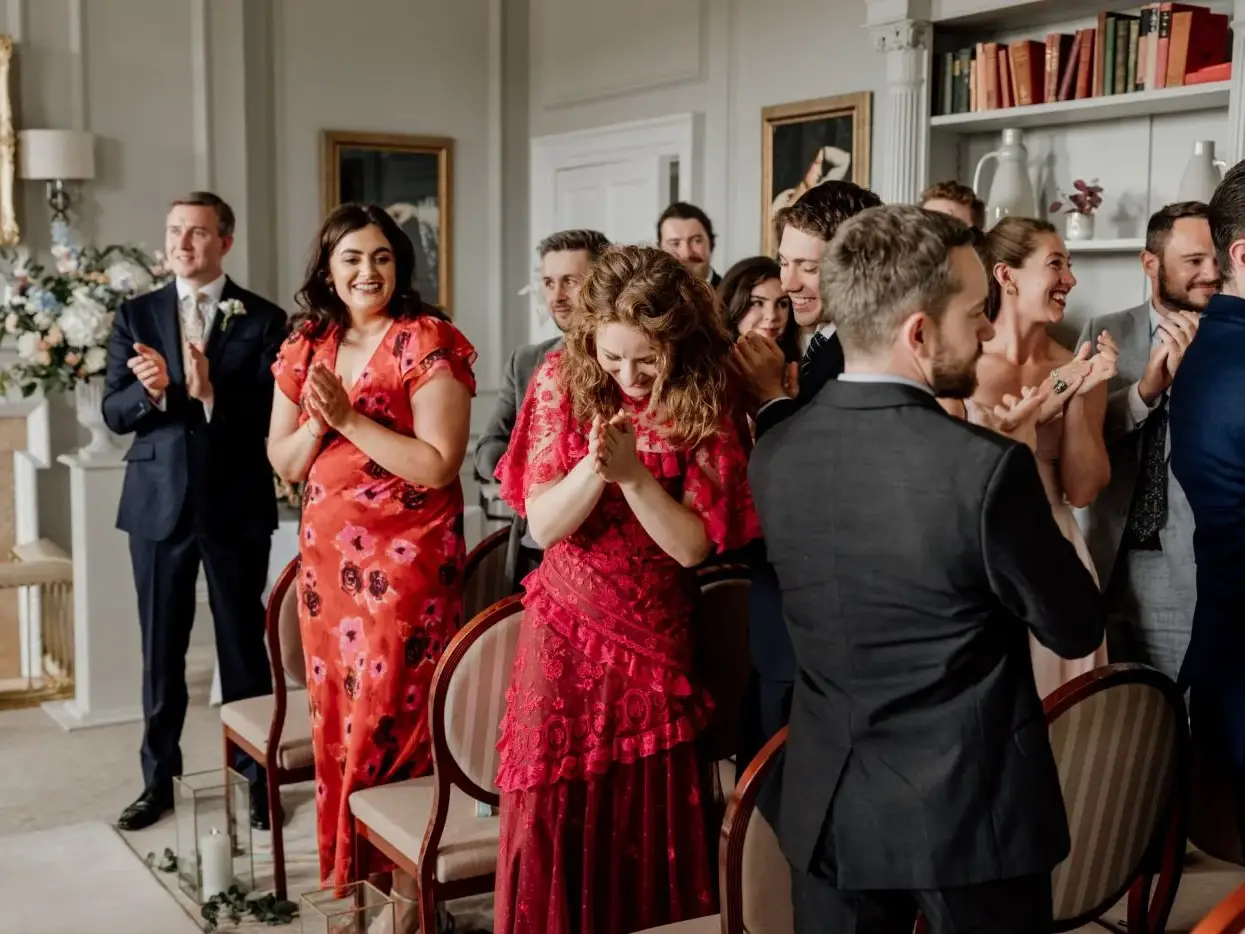
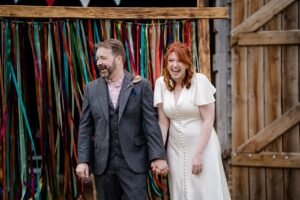
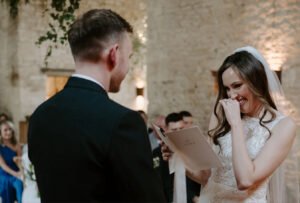
We howled with laughter when Lou read out excerpts from her diary about her first impressions of Dave
Liaising with your venue and suppliers
This is one of the parts of my role that you might not immediately think about, but it’s really important.
Your ceremony is part of a much bigger wedding day, and I want to make sure everyone involved knows what’s happening and when.
I’ll liaise with your venue coordinator and, where appropriate, your photographer, videographer, musicians, DJ and other suppliers. We’ll think through practical details such as:
-
When the music needs to start and stop.
-
How and when the wedding party will enter.
-
Where readings, contributions or symbolic rituals fit into the ceremony.
-
Any special arrangements for photographs or video.
-
Microphones, sound checks and the practical setup of the ceremony space.
Good communication makes a real difference. It helps everyone work together, avoids unnecessary confusion and means those important moments can happen as planned.
Rehearsals and preparing everyone involved
If your ceremony involves a procession, several people taking part, readings or a symbolic ritual, a rehearsal can be really helpful.
I can offer a rehearsal where appropriate, giving everyone the opportunity to understand what they’re doing, where they need to be and when things will happen.
It’s often reassuring for those who might be feeling a little nervous, too. A bit of preparation beforehand can make all the difference on the day.
Arriving early and checking the details
On your wedding day, I won’t simply arrive a few minutes before the ceremony and hope everything is ready!
I’ll get there in good time to check the ceremony space and make sure the arrangements are as they should be. I’ll check the layout, chairs, any special items you’ve asked to include, and the microphone and sound system. I’ll also check in with the venue team and relevant suppliers to make sure we’re all ready.
If friends or family members are involved in the ceremony, I’ll make sure they know where they need to be and what happens next.
There are always little things to think about, and sometimes plans need a small adjustment. That’s fine. I’m there to keep an eye on things, deal with the practical details and help everything come together.
Looking after you on the day
I know that even the most organised person can feel a little nervous before their wedding ceremony.
I’ll be there to welcome you, help settle any last-minute nerves and make sure you know what’s happening. I’ll guide you through the ceremony, introduce the different elements and make sure everyone knows when it’s their turn.
And if something unexpected happens? That’s part of working with real people on a real wedding day. I’ll stay calm, adapt where needed and keep things moving.
Most importantly, I want you to feel comfortable, present and able to enjoy the moment.
So, what does all this mean for you?
Being your wedding celebrant involves much more than writing and delivering your ceremony. It means taking the time to understand you, helping you shape the ceremony, coordinating with the people involved and thinking ahead about all the practical details.
It’s a combination of creativity, planning, communication and being ready to take things in your stride.
You have enough to think about when you’re planning your wedding. I want you to know that your ceremony is in safe hands, so you can concentrate on each other and enjoy the day you’ve been looking forward to.
You have enough to think about. Let me take care of the ceremony.
If you’re planning a wedding in Wiltshire, the Cotswolds, the South West, London or further afield, I’d love to hear what you have in mind.
Just a little note: a celebrant-led wedding ceremony in England and Wales is not, by itself, a legally binding marriage ceremony. You can arrange the legal formalities separately.